 HOME
HOME
 contact @ ericbourdon .com


Eric Bourdon - Blog
How to buy art like a pro
Recent posts
- Why Now Is the Perfect Time to Buy Original Paintings
- By My Tree…
- Modern Interiors and Original Contemporary Art
- As Thick as Thieves
- Le Touquet – Exhibition at Palais des Congrès
- How to buy art like a pro
- The Basque Beret
- Discrimination against painters at SNCF ?
- The Incredible Lightness of Being
- Solidarit’art, Street Art exhibition-sale in Paris
- Hand-painted skateboard ‘Vercingetorix’
- Le Touquet – APAPCO Exhibition
- Exhibition of the Circle of Paris Artists
- Art Capital 2025, Salon of French Artists
- Salon of the French School in Versailles
Categories of posts
Search by keyword
Archives of posts
Meta
May
6
How to buy art like a pro
🐦 Published on 2026-05-06 | 💬 Comment
📌 Category(ies) : Analysis, Painting
How to buy art like a pro : expert tips on purchasing paintings and investing in art
Discover expert advice on how to buy paintings, from selecting the right artwork to ensuring authenticity and making a smart investment. Learn where to buy art, how to evaluate prices, and tips for displaying your collection.
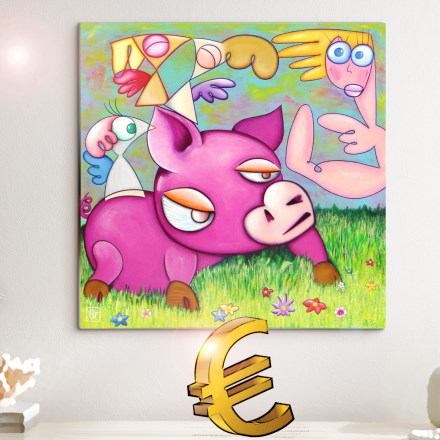
The ultimate guide to purchasing art : how to buy paintings like a pro
Art, in its many forms, has the power to elevate a space, evoke emotions, and even become an investment. Whether you’re an experienced collector or just beginning your journey into the world of art, buying a painting is an exciting and sometimes overwhelming process. But don’t worry, this guide will walk you through everything you need to know to make informed decisions when purchasing art, and how to find that perfect piece for your home or collection.
Why art is more than just decoration ?
Before diving into the buying process, it’s important to understand why purchasing art is so much more than just picking a beautiful piece for your wall. Art can be a reflection of your personality, your tastes, and your values. It can also be a form of investment, as the right piece may appreciate over time. Moreover, owning art can connect you with the artist’s story, culture, and unique perspective, making the artwork even more meaningful.
1. Before you buy…
Understand what type of art speaks to you
The first step in purchasing art is discovering what kind of art resonates with you. Are you drawn to contemporary or classic pieces ? Do you prefer abstract paintings or more realistic representations ? The key is to spend time looking at different styles, mediums, and genres.
If you’re unsure about your preferences, start by exploring different art galleries, both in-person and online. Take note of what catches your eye and elicits a response. Your choices can be informed by your home’s aesthetic or by the emotions you want the artwork to invoke in a room.
Quick tip : Keep a Pinterest concept board or mood board to curate pieces that speak to you. Over time, patterns may emerge that help define your style.
2. Set a budget and stick to it
Art buying can be expensive, but it doesn’t have to break the bank. It’s important to set a budget early on and determine how much you’re willing to spend. Art prices can range from under $200 for prints and emerging artists’ works to millions for iconic masterpieces.
Here’s a basic breakdown of price ranges :
• Emerging artists : $200 – $3,000
• Established artists : $3,000 – $50,000
• Masterpieces / Investment art : $50,000 and above
A higher price tag doesn’t necessarily mean better art. Emerging artists often offer amazing value and unique pieces that are expected to appreciate in the future.
3. Where to buy art : online or offline ?
The Internet has revolutionized the way people buy art, and there are countless online platforms offering a wide range of works. However, it’s also worth visiting physical galleries and exhibitions to see the artwork in person. Each method has its pros and cons.
Buying art online
Online platforms like Artmajeur, Artsper and Saatchi Art allow buyers to browse thousands of pieces from artists around the world. Many of these platforms offer various price points and even a return policy, giving buyers some peace of mind.
Online marketplaces are especially useful if you’re looking for convenience, variety, and a larger pool of artists. Just be sure to read reviews and check the return policies before making a commitment.
Buying art at galleries and auctions
If you prefer a more tactile experience, visiting local galleries or major art auctions like Sotheby’s or Christie’s can provide a more immersive experience. You’ll get the chance to see the art up close, learn about the artist’s background, and engage in more personal conversations with art experts.
Galleries often showcase the best of the best and have a handpicked selection of artwork. On the downside, buying through galleries may mean a higher price tag.
In France in particular, physical galleries are not required to display the price of artworks. They provide this information upon request from a potential buyer. Not only can you get carried away with a work of art while being disconnected from the financial aspect that must be taken into account, but the price can also vary depending on the customer’s appearance !…
4. Verify authenticity and provenance
When you buy a painting, you’re not just buying a piece of paper or canvas, you’re investing in something that holds value. The history of an artwork (in the case of an old work), is an essential aspect to consider. This can affect both the authenticity and value of the piece.
• Provenance is the documented history of the artwork, including past owners, exhibitions, and any relevant records. A reputable seller will provide you with this information, ensuring that the painting is genuine and comes with proper documentation.
• Certificate of authenticity (COA) is another essential document to request from the seller. This will help ensure the piece you’re purchasing, whether it is recent or old, is an original and not a reproduction or counterfeit.
Pro tip : If you’re buying from an established gallery or auction house, they usually take care of this for you. However, if you’re purchasing from an independent seller, it’s wise to request proof of authenticity.
5. Consider the investment potential
While buying art should be enjoyable, many buyers also view art as a financial investment. Some art pieces appreciate significantly over time, while others may not. The key to making an investment in art is choosing works from artists with growing reputations or significant historical value.
The art market usually recognizes two categories of artists : emerging artists and established artists. It should be noted that these categories are not age-related. Thus, a talented 60-year-old up-and-coming artist can be viewed as an emerging artist, while a 16 year-old artist who made a world frenzy through social media could be considered as “confirmed” by the market…
• Emerging artists : These works are typically more affordable and have the potential for significant appreciation as the artist’s career progresses. The life of any artist in any time or place is especially complicated, difficult and full of setbacks. Do you feel that the emerging artist you have your eye on might stop painting tomorrow, or are they showing that they have what it takes to pursue their passion no matter what ? Trust your intuition !
• Established artists : Buying works by established artists, those who have already achieved widespread recognition and/or exhibited their work in prominent galleries, museums, or art institutions, can be a safer bet, but prices can be significantly higher. The potential for appreciation over time is also much lower.
An important precaution is necessary here. If the artist is “recognized” by the market only as a result of a trend, or a momentary success which owes little to their artistic talent (but rather to their connections, subsidies, sales or marketing skills, “smooth talk”,etc.), the inevitable depreciation, one day, can be brutal.
In art, as elsewhere, “market corrections” happen. Here too, gather as much information as possible, analyze the situation from different angles, and let your intuition have the final say !
• Masterpieces : These are long-term investments and should be approached with careful consideration. Historical artworks and renowned artists can hold their value for centuries.
6. How to display your artwork ?
Once you’ve purchased the perfect piece, it’s time to show it off ! Proper display can enhance the artwork’s impact and keep it in good condition. Consider these tips for showcasing your painting :
• Lighting : Proper lighting is essential to highlight the beauty of the artwork. Consider adjustable lighting, such as picture lights or wall-mounted spotlights.
• Framing : A good frame can elevate the art, but avoid overly ornate frames that could distract from the piece itself. Make sure the frame complements the colors and theme of the painting.
• Placement : Hang artwork at eye level, ideally around 60 inches from the floor. Also, ensure there’s enough space around the artwork so it doesn’t appear cramped.
7. Trust your instinct !
Once again, when buying art, trust your instincts. Art is a personal experience, and the best pieces are the ones that resonate with you emotionally. Don’t be swayed by trends or the opinions of others, buy the art that makes you feel something.
Conclusion : Investing in art is investing in yourself
Purchasing art is an exciting journey that can enrich your life in many ways. Whether you’re looking to decorate your home, invest in emerging artists, or add a masterpiece to your collection, the process is both rewarding and personal.
With a bit of research and a clear sense of your own style and budget, you’ll be well on your way to becoming a savvy art buyer. So, start browsing today and find a piece that will bring beauty, meaning, and value to your life for years to come.
Looking for the perfect painting for your home ? Explore our art galleries here !


Comments ⏬




The gallery of Eric Bourdon
Exhibitions
About the artist
Copyright
© Éric Bourdon
(unless otherwise mentioned)
59000 Lille, France
contact @ ericbourdon .com


Express yourself ! 😃